

Catherine Chaulet: “Strong partnerships are key to navigating uncertainty”
22/01/2026
# tags: Events , Meetings Industry , Destinations
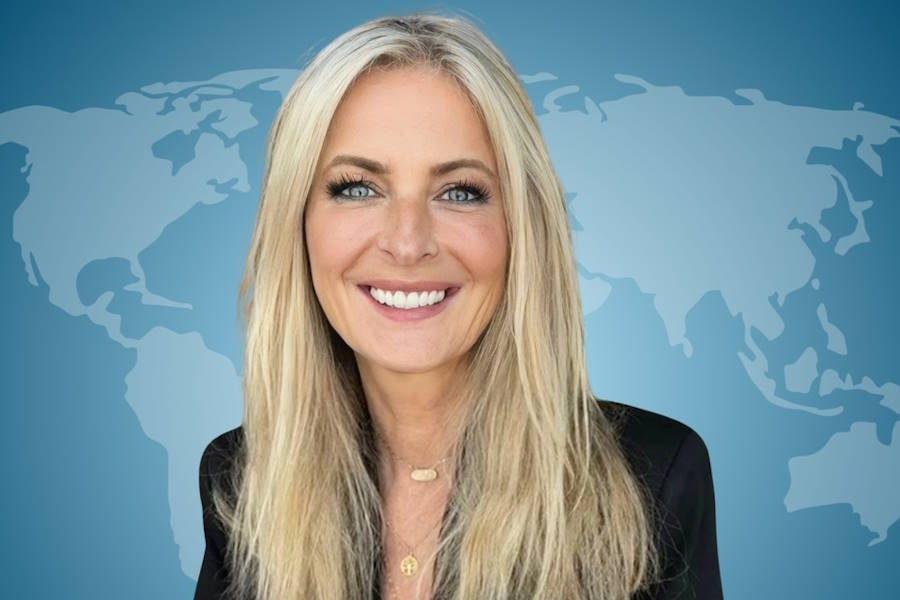
Creativity, strong partnerships, and local expertise are differentiating factors, according to Catherine Chaulet, president and CEO of Global DMC Partners.
In a context marked by budgetary pressure and geopolitical uncertainty, creativity, local expertise, and solid partnerships are decisive factors in creating relevant experiences and successful programs, according to Catherine Chaulet, in an interview about Connection 2026, an event held by Global DMC Partners in Lisbon.
What is your impression on this edition of Connection held in Lisbon?
There's a palpable energy here in Lisbon, a sense of optimism and determination, in spite of global challenges, which reflects exactly where our industry is right now. We've gathered meeting planners, corporate buyers, and DMC partners from around the world, and what strikes me most is the quality of conversations happening between sessions. People aren't just networking; they're problem-solving together, sharing real strategies, forging partnerships that will shape programs for years to come. Lisbon has proven to be the perfect backdrop for these connections as a city that embodies the blend of tradition and innovation that our industry is striving for.
Of the topics covered, what do you hope participants will take away from the event?
First, that despite the very real challenges we're facing—budget pressures, shorter lead times, economic uncertainty—our industry remains resilient and full of opportunity. The data shows that face-to-face meetings deliver undeniable ROI, and companies that invest strategically in bringing people together will outperform those that don't.
Second, I hope they leave with practical tools, not just inspiration. We've structured Connection to provide actionable strategies, whether that's AI integration, negotiation techniques, creative programming ideas, or sustainability frameworks they can implement immediately.
And third, I want them to remember that strong partnerships are the key to navigating uncertainty. Working with DMC partners who have local expertise, who can pivot when circumstances change, who understand the nuances of each destination, that's what separates successful programs from the rest.
At Connection, you mentioned that the organisers' main concern continues to be related to costs. Where is optimisation needed?
Cost pressure is indeed the number one challenge across all regions, and even when budgets stay flat that effectively means a decrease when you factor in inflation.
Optimization needs to happen at several levels. First, in timing via earlier conversations about true costs and earlier engagement with DMC partners for site selection, which often yields better rates and availability. Second, in creative solutions, exploring secondary destinations that offer excellent value without compromising quality, rethinking A/V approaches, developing strategic sponsorship models. Third, in prioritization, being ruthless about what truly drives ROI versus what's simply "nice to have."
The question shouldn't be "How do we do the same thing cheaper?" It should be "How do we deliver more value with strategic investment?"
To what extent can creativity compensate for budget limitations today?
Creativity isn't just compensating for budget limitations; it's becoming the essential differentiator. When everyone faces the same constraints, the most creative solutions win.
What I've seen from our network is remarkable innovation: transforming unexpected venues into memorable experiences, designing local immersions that cost less than traditional programming but create far deeper connections, leveraging technology to enhance rather than replace human interaction.
But I want to be clear; creativity alone isn't enough. It must be paired with deep local knowledge and strong partnerships. A DMC who truly understands their destination can suggest experiences that a planner searching online would never discover. They know which local artisan can create a unique team-building activity, which neighborhood restaurant will deliver an authentic culinary experience at half the price of a hotel banquet.
The combination of creativity and local expertise is where the magic happens.
In terms of the experience of destinations by MICE event participants, what kind of local experiences have the greatest impact today?
We're seeing a clear shift toward what I call "slow-mo" experiences: deeper, more intentional engagement with destinations rather than checking boxes on tourist itineraries. Attendees want authentic cultural immersion, connecting with local artisans, experiencing culinary traditions firsthand and engaging with communities in meaningful ways.
What has the greatest impact is when experiences feel genuine and exclusive, something attendees couldn't easily replicate on their own. A private cooking class with a local chef using ingredients from that morning's market. A behind-the-scenes visit to a workshop where traditional crafts are still practiced. A community project that creates lasting impact.
These experiences also align with sustainability priorities as supporting local economies is the number one way meeting planners are incorporating sustainability. With this you achieve multiple objectives: memorable attendee experiences, authentic cultural connection, and genuine community benefit.
With the current geopolitical uncertainty, what makes a destination convey immediate confidence to an international organiser?
Several factors create that immediate confidence. First, geopolitical and social stability; planners are increasingly factoring this into destination selection, and it's influencing choices significantly.
Second, infrastructure reliability, meaning consistent air access, modern venues, strong hospitality sector, efficient transportation. Planners need to trust that logistics will work smoothly.
Third, having trusted local partners on the ground. When you work with a DMC who has deep local connections, real-time intelligence, and proven ability to navigate challenges, that transforms the risk equation. They can anticipate issues, have contingency plans ready, and respond immediately when circumstances change.
Finally, transparent communication. Destinations that proactively address concerns, provide clear safety protocols, and demonstrate preparedness inspire confidence. Portugal, I should say, exemplifies all of these qualities, which is precisely why we chose Lisbon for Connection 2026.
What criteria led Global DMC Partners to choose Lisbon as the host city for this edition of Connection?
Several factors made Lisbon the clear choice, including accessibility and infrastructure. Excellent international connections make it convenient for our global attendee base. Plus, the cityh features world-class venues, exceptional hotels, and a hospitality sector that truly understands the MICE market. And beyond logistics, the destination embodies the spirit of what we want Connection to represent. This is a city of exploration and discovery, of tradition meeting innovation.
Portugal has been establishing itself as a destination of excellence for the MICE sector. In your view, what factors differentiate the country from other European destinations in attracting international events?
Portugal offers a compelling combination that's difficult to match elsewhere in Europe. The value proposition is exceptional; you can deliver premium experiences without premium European price tags, which matters enormously in today's budget-conscious environment.
The diversity of experiences within a relatively compact geography is also remarkable, from Lisbon's cosmopolitan sophistication to the Algarve's coastal beauty to the Douro Valley's wine country to Porto's cultural richness. This allows planners to create varied, multi-destination programs efficiently.
The hospitality culture here is genuine; there's a warmth and pride in service that attendees feel immediately. Portuguese cuisine has earned global recognition, and the climate is favorable for year-round programming.
And importantly, Portugal has invested seriously in MICE infrastructure while maintaining the authenticity that makes destinations memorable. It hasn't become over-commercialized or lost its character. For planners seeking destinations their attendees haven't experienced repeatedly, Portugal offers freshness with reliability, and that's a valuable combination.
What trends do you think will shape the industry in the coming years and how do events such as Connection contribute to this transformation?
I see several critical trends shaping our industry: rising costs requiring creative solutions; ROI measurement evolving beyond attendance numbers to business outcomes; shorter booking windows demanding operational agility; destination selection increasingly driven by safety and stability; attendee experience and creativity remaining central despite constraints; accelerating AI adoption transforming daily operations; sustainability becoming non-negotiable; and sponsors demanding measurable value.
Events like Connection contribute to this transformation in several ways. We're a platform for honest conversation about challenges and solutions within a safe, caring community, and we're a catalyst for partnerships between planners and DMCs that will navigate these trends together.
Ultimately, in times of uncertainty and budget constraints, resilience, meaningful partnership and creative collaboration is what will allow success. This is what Global DMC Partners’ Connection is all about.