

Director of Polish Tourism in Portugal: “Portugal is a promising market”
29/06/2026
# tags: Poland , Aviation , Events , Tourism
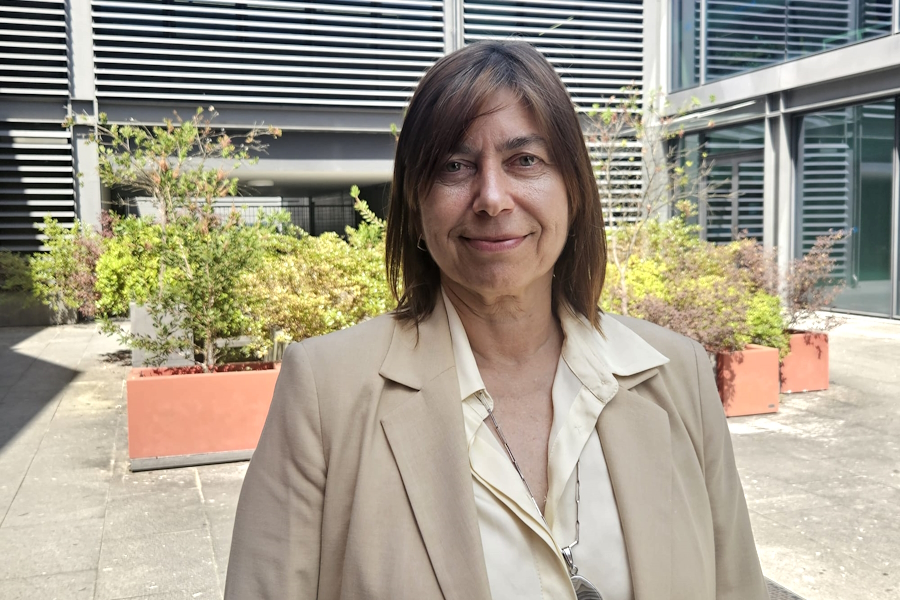
The new direct route between Porto and Warsaw, operated by LOT Polish Airlines, is expected to boost business travel, international events and economic relations between Portugal and Poland.
In an interview with Event Point, during a workshop held in Porto by the Polish Tourist Board and the Polish airline, Agata Witoslawska, Director of Tourism for Poland in Spain and Portugal, noted that the new direct flight between Porto and Warsaw represents more than just a convenience for tourists. For Poland, it is a strategic tool for strengthening economic, business and tourism ties with Portugal, at a time when both markets are seeking to deepen commercial relations and attract more international events.
“It’s always good news when a new direct connection is launched. Accessibility is key when deciding to travel,” says Agata Witoslawska, Director of Polish Tourism for Spain and Portugal. According to her, the new route is expected to boost both leisure and business travel, benefiting both countries. Polish tourists will now have direct access not only to Lisbon, but also to Porto. Conversely, the new route is expected to spark growing interest among travellers from northern Portugal and even Galicia in discovering Poland.
This initiative takes on even greater significance in a business context. Trade relations between Portugal and Poland have seen consistent growth in recent years, with an average annual growth rate of around 13 per cent. Currently, around 370 companies with Portuguese capital operate in the Polish market.
“Direct flights are essential for boosting competitiveness and facilitating business travel,” emphasises Agata Witoslawska, noting that, according to the latest ICCA reports, air accessibility and proximity to international airports remain among the key criteria when choosing event destinations.
Poland consolidates its position in the meetings industry
Poland has been increasingly establishing itself as a destination for meetings, conferences, incentives and international events. It currently ranks 18th in the ICCA’s global ranking, the result of a promotional strategy developed by the Poland Convention Bureau and local convention bureaux.
Interestingly, Kraków leads the national rankings, with over 4,600 events, whilst the Polish capital, Warsaw, hosted nearly 4,300. Next come Gdansk, Poznan and Wroclaw. “All these cities are exceptionally well-prepared for the MICE sector. They combine modern infrastructure with a rich historical, artistic and cultural heritage”, she explains.
In addition to its infrastructure, Poland benefits from a strong academic and scientific network, considered one of its main assets in attracting international conferences. Through the Polish Congress Ambassadors Programme, established in 1998, Polish scientists and experts help to promote the country to international associations and organisers.
In terms of markets, Germany and the Scandinavian countries are the ones that seek out Poland most in this sector.
The impact of the ICCA Congress in Kraków
The hosting of the ICCA Congress in Kraków in 2022 continues to be cited as a landmark moment for the city’s international standing.
Three and a half years on, Kraków continues to lead the way in terms of the number of events held in Poland. But for Agata Witoslawska, the impact goes beyond the figures. Many of the approximately 900 participants from 80 countries are likely to have returned to the city subsequently, either on business trips or as tourists.
The conference also helped to accelerate the drive towards sustainability. Kraków was the first Polish city to be included in the Global Destination Sustainability Index (GDS Index) and, in 2025, was recognised as one of the destinations that had made the most progress in this international ranking.
The participant’s experience as a differentiating factor
In an increasingly competitive market, Poland is seeking to set itself apart through the experience it offers participants. “A new approach to meetings in Poland is redefining events, shifting from a model focused solely on logistics to one in which the participant’s experience takes centre stage,” says the official.
The strategy involves creating more personalised, interactive and engaging events, capable of generating value through content, but also through emotions and experiences.
Sustainability is another key priority. In addition to Kraków, cities such as Gdansk, Wroclaw and Szczecin are already included in the GDS Index. Szczecin will host this year’s GDS Forum and Impact Day.
At the same time, the country continues to invest in new hotels and event venues. She points out that Poland’s hotel infrastructure is among the most modern in Europe and continues to grow, both in major cities and in nature-based destinations that are focusing on premium offerings for small corporate events and incentive programmes.
Portugal on the radar
With regard to the Portuguese market, the official identifies opportunities in sectors where there is already a strong Portuguese business presence in Poland, such as food distribution, banking, renewable energy, manufacturing, construction and services.
Companies using Poland as a platform for Central and Eastern Europe are emerging as potential clients for incentive programmes, corporate meetings and business travel.
In conclusion, Agata Witoslawska draws on the country’s tourism slogan to summarise Poland’s value proposition for national event organisers: “Poland. More than you expected.”
A message which, according to her, reflects the perception of many visitors who discover a modern, safe and dynamic country offering excellent value for money. “Europe is a fascinating continent, stretching from Portugal to Poland, and today we are more connected than ever through direct flights. This is a perfect opportunity to get to know each other better, strengthen relationships and return home with unforgettable memories and enriching experiences,” she concludes.