

Leading through uncertainty: how to build resilient and engaged event teams
22/09/2026
# tags: Leadership , Events
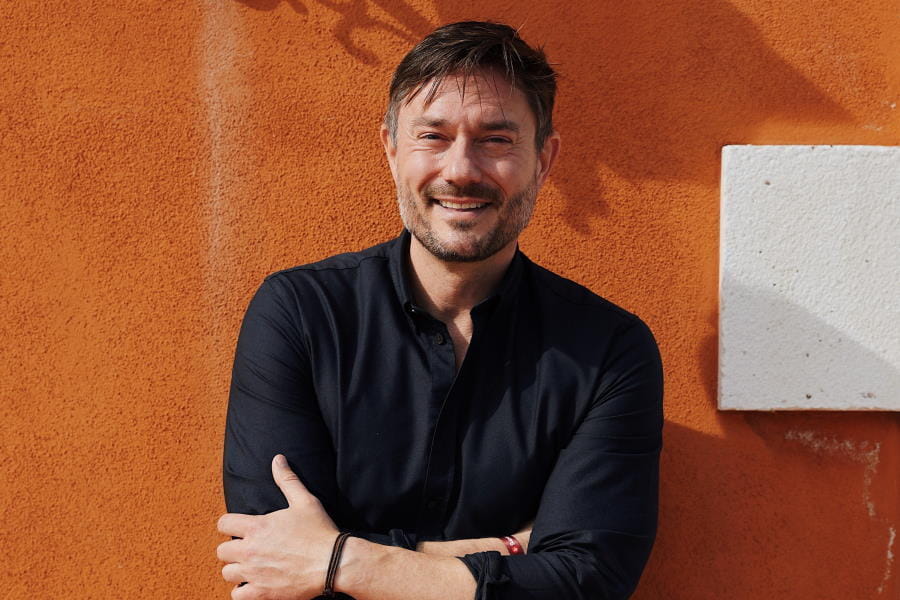
In a sector defined by pressure, constant change and tight deadlines, what truly drives teams to perform at their best? In this interview, Josh Stinton explains why understanding individual motivations, embracing vulnerability and redefining resilience are key to building stronger, more connected event teams.
Josh Stinton is a keynote speaker known for blending high-energy storytelling with practical tools, whose experience ranges from working with global brands to designing the motivational kickoff for over 1,100 volunteers at the Milano-Cortina Winter Olympic Ceremonies.
In high-pressure environments like the events industry, what truly motivates teams today?
Regardless of the event, location or global recognition of the project - taking a minute to share with the team that everyone’s motivational driver will most likely differ from each other – and that is something to be celebrated! Recently I had the privilege of designing the staff and volunteer engagement / induction program for the Winter Olympic Opening and Closing ceremonies. As part of this kickoff, I took the (over 1,200 attendees) through an exercise to recognise and appreciate the individual motivations in the room. Some people were there for the LinkedIn post, for others it was social recognition, others it was love of sport. Regardless of – just reminding people that it is perfectly OK to have your own drivers for doing what you do, because that culmination of interests created the rich tapestry of what the Ceremonies turned out to be.
Rather than assuming the team is involved in the production of any event for a specific reason – allow them space and support to appreciate their own unique “why” they are spending their time creating the experience. This lowers shoulders, helps people be seen and even communicate what is important to them. The answer won’t always be the same as the leadership – and that should be celebrated.
How can leaders keep their teams engaged and energised when they are constantly working under tight deadlines and shifting conditions?
Being resilient doesn’t mean we always have to be strong. Resilience comes fro personal sustainability which means allowing space for checking in on how people are doing along the way. A great way to allow people to check in is to openly share what “trait” they could use help with at the present moment. Sometimes it’s motivation, drive, authenticity… whatever it is – allowing people to understand that it’s ok to not always have 100 percent levels… and inviting them to discuss this. Reminding people that they can “borrow” these traits from one another… sometimes just onboarding the drive from a friend or colleague is all that it takes to get to the end of the day – or event.
What are the most common mistakes you see leaders make when trying to motivate their teams?
Assuming everyone needs to be at your same level of connection or drive to the success of the event at all times as you are. There are days we wake up feeling ready to take on the world, and there are days we lose sight of just why we are involved (especially after last minute scope changes!). As leaders, our job is to not only inform and inspire our people but to SEE them where they are at and appreciating that maybe their drive is different than what is on the briefing document. When leaders don’t allow space for people to feel connected to the outcome in their own way – this can lead to fatigue and sometimes dissension in the team quite quickly.
The events industry has faced significant disruption in recent years. What does it mean today to build genuinely resilient teams in this context?
Again, appreciating that just like families, teams are made up of people with different vantage points, motivations and energy levels. Be the leader that your team sees as understanding that resilience doesn’t mean running flat out all the time. Sometimes people need to be seen and reminded why they are interested in what they are doing. If you can’t remind them of their “why” (not just yours) – then that is a sign of needing to check in with your people. Resilience is a team sport.
From your perspective, what sets apart teams that bounce back quickly from those that struggle to recover?
A shared sense of direction. Falling off the trail is very human, and natural. Recovering from this is very difficult when people don’t know which direction to face in order to get back on. A simple team check-in is to ask around, together, what is the North Star for this project. Let people speak, be heard and seen. Remember, it’s OK if someone’s North Star is different… it could be “we make it under budget” or “we get x amount of fan engagement” or… anything. As leaders it is important to share the North Star vision for the outcome, and appreciate that there are different drivers.. But discussing it together is quite helpful.

For example, if you say the word “benefit” to a Sales Director and HR Director, they both say they understand the word but will likely be thinking very different outcomes. Both are right, and having a team discussion about how their view contributes to the North Star – and what it means to everyone together – can help people recover because again, they feel seen and apart of the process.
In a context of ongoing uncertainty, do you believe it is more important for leaders to be transparent than to provide certainty? Why?
Great question, and from my experience this is an art. Leaders should have a strong vision for the certainty and complexity of the project, yet transparency in where the team is now – where they see gaps in success, and open for views on how to maintain the certainty together. I’ve been a part of projects where leaders asked interns for their view on the current struggle (so being open to transparency) and because they felt seen and safe, they could ask questions along the lines of “well… why do we actually do THAT thing… or have we thought of this?”... Good leaders will understand fresh viewpoints will allow us to see past the weeds of experience most of us operate from. That is the art, because incorporating this into the certainty (which I translate as vision) – can not only set up the event for success, but also set up someones career and confidence for success.
As a note on that – when in the design phase, it can be very helpful to list out “givens” along with the scope and objectives of the event. Givens are a way of letting people be heard, and have their ideas on the board.. But state – while these are clearly important to some of us, in order to get to the Scope – these won’t be discussed in this briefing. That is a kinder way to facilitate a team discussion rather than saying “that isn’t what we are talking about” or “that isn’t important right now”.
Looking ahead, which skills will be essential for leading event teams in the years to come?
Leadership development is in constant evolution which I see as truly exciting and important. Experience is incredibly necessary, yet knowing that we don’t always know everything will allow for new insights to be included. Leaders that have a view of working with (for example) AI, Gen Z, tightening budgets, etc… will maintain a degree of adaptability required for not only the success of your event, your agency, your client… but equally important, the craft of gathering people. We in events are stewards of a craft, and our job is to build, unbuild, learn and unlearn as we grow. I believe that future success for leaders today won’t feel like looking around and seeing teams run exactly as they were when they were working… but rather we can see strong influence from ourselves into the new beauty that events are becoming. :)